Gold demand exceeds 5,000 tonnes: Global economic signals behind the record
In 2025, the global gold market witnessed a historic moment. According to the latest data from the World Gold Council, global physical gold demand exceeded the 5,000-tonne mark for the first time, reaching a total of 5,008 tonnes, setting a new high. Meanwhile, the average annual gold price reached $3,431 per ounce, up sharply by 44% from the previous year. This milestone data not only reflects gold's strong appeal as a safe-haven asset but also reveals deep structural changes in the current global economic landscape.
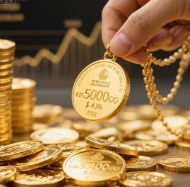
Global physical gold demand hits record high
Data shows that global physical gold demand reached 5,008 tonnes in 2025, a significant year-on-year increase. This figure not only broke through the psychological threshold of 5,000 tonnes but also became the highest level ever recorded in human gold trading history. Regionally, Asia and emerging market countries were the main drivers of demand growth, with gold imports in China, India, and the Middle East rising sharply. At the same time, central bank gold buying remained active, with net annual purchases exceeding 900 tonnes, further boosting market demand.
On the supply side, global gold mine production increased slightly but was far from matching the explosive growth in demand. The widening supply-demand gap provided solid support for price increases. Analysts point out that the milestone of 5,000 tonnes marks gold's evolution from a traditional commodity to a core asset allocation tool for global investors to hedge against uncertainty and diversify risk.
Logic behind the gold price surge
The strong performance of gold prices in 2025 also drew widespread attention. Over 53 trading days, gold prices repeatedly hit new records, rising from $2,380 per ounce at the beginning of the year to an average of $3,431 per ounce by year-end, a full-year increase of 44%. The persistence and magnitude of this price trend are extremely rare in the gold market over the past decade.
The factors driving the price increase are complex and varied. First, monetary policy easing expectations in major global economies continued to strengthen. In 2025, the Federal Reserve, the European Central Bank, and the Bank of Japan all adjusted interest rate policies to varying degrees, and declining real interest rates provided important price support for gold. Second, geopolitical risks continued to heat up, including the protracted Russia-Ukraine conflict, instability in the Middle East, and the rise of global trade protectionism, all prompting investors to actively seek gold as the "ultimate safe haven."
In addition, the acceleration of the de-dollarization process significantly enhanced gold's monetary attributes. Emerging market countries reducing dollar reserves and increasing gold holdings not only boosted gold demand but also re-established gold's anchoring role in the global monetary system.
Macroeconomic barometer
When physical gold demand exceeds 5,000 tonnes and gold prices achieve a 44% increase in one year, this is not just a fluctuation in the gold market itself but a barometer of deep global economic changes. The outbreak of gold demand often accompanies investors' shaken confidence in the credit currency system, heightened inflation expectations, and concerns about future economic growth uncertainty.
From a data perspective, global GDP growth slowed to 3.2% in 2025, while inflation remained high at around 4.5%. The continuous decline in real purchasing power forced investors to turn to traditional hard assets. Meanwhile, global debt exceeded $350 trillion, and sovereign credit risks occurred frequently, further strengthening gold's position as the "last means of payment." Gold's share in global asset allocation has risen from 3.8% in 2020 to 7.2% in 2025, a trend expected to continue.
Conclusion
The historic data of global gold demand exceeding 5,000 tonnes in 2025 and an average gold price of $3,431 sends a strong and clear signal to the market: against the backdrop of increasing global economic uncertainty, challenges to the credit currency system, and rising demand for safe-haven assets, gold's allocation value is being redefined and reassessed. For investors seeking wealth preservation, risk hedging, and long-term stable returns, gold is no longer a marginal asset but increasingly becoming a core component of asset portfolios.
Looking ahead, with further monetary easing globally and lingering geopolitical risks, gold demand still has momentum for sustained growth. However, investors should also recognize that high prices themselves may dampen some consumption demand, and the dynamic balance between supply and demand will be a key variable determining the next move in gold prices. Regardless of market evolution, the landmark figure of 5,000 tonnes will remain an unavoidable milestone in gold's history.